6 Key Factors That Increase Your Risk of Developing Bunions
- Sep 28, 2025
- 5 min read
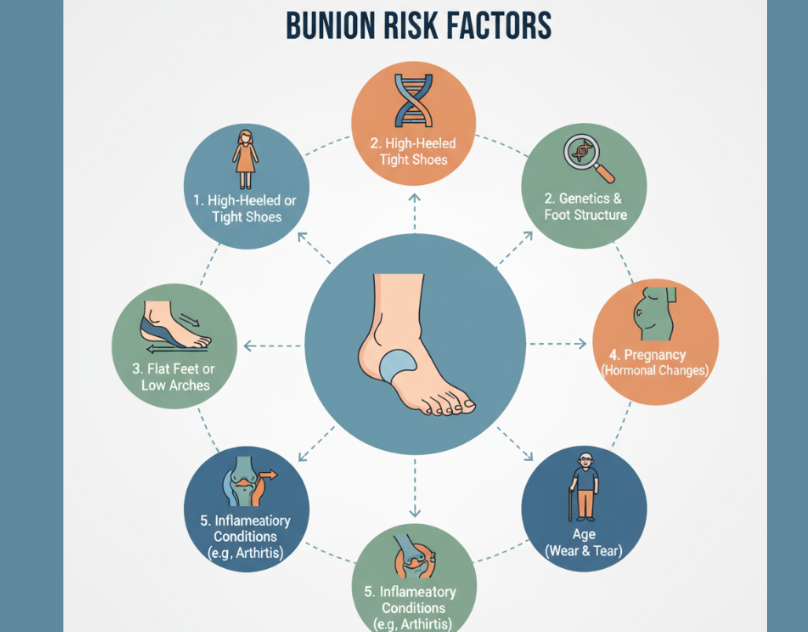
Bunions affect millions of people worldwide, causing pain and discomfort that can significantly impact daily activities. If you're experiencing foot pain or notice changes in your toe alignment, consulting a bunion doctor near Woodland Hills becomes essential for proper diagnosis and treatment. Understanding the risk factors that contribute to bunion development can help you take preventive measures and seek appropriate care from a qualified bunion specialist near Woodland Hills.
A bunion forms when the big toe pushes against the second toe, forcing the joint of the big toe to become enlarged and stick out. This condition doesn't develop overnight. Instead, it results from various factors that gradually affect the structure and alignment of your feet over time.
1. Genetic Predisposition and Family History
Your genetic makeup plays a crucial role in bunion development. Research shows that approximately 70% of people with bunions have a family history of this condition. However, it's essential to understand that bunions themselves aren't directly inherited.
What you inherit are specific foot characteristics that increase your susceptibility to bunions.
These inherited traits include:
Foot shape and structure abnormalities
Joint flexibility and ligament strength variations
Bone density differences
Natural gait patterns that put extra pressure on certain foot areas
Additionally, certain inherited foot conditions increase the likelihood of bunion development. Flat feet, for example, can cause improper weight distribution across the foot. Similarly, having unusually flexible joints may allow bones to shift more easily out of their normal positions.
People with a family history of bunions should pay extra attention to their foot health. Regular check-ups with a bunion specialist near Woodland Hills can help identify early warning signs and implement preventive strategies before the condition worsens.
2. Footwear Choices and Their Impact
The shoes you wear daily can significantly influence your risk of developing bunions. Poor footwear choices represent one of the most controllable risk factors for bunion development.
High heels pose particular dangers because they shift your body weight forward onto your toes, putting pressure on the toes and the ball of the foot.
This increased pressure forces your toes into an unnatural position, gradually pushing the big toe toward the other toes. Regular high heel wear can accelerate bunion formation, especially in people who are already genetically predisposed.
Shoes with narrow toe boxes create additional problems by squeezing toes together. This compression prevents your toes from maintaining their natural spacing and alignment. Over time, this constant pressure can cause the big toe joint to become misaligned.
Signs that your shoes may be contributing to bunion development include:
Toe cramping after wearing specific shoes
Red marks or pressure points on your feet
Difficulty finding comfortable shoes that fit properly
Pain that worsens throughout the day
To reduce your risk of a bunion, choose shoes with wide toe boxes that allow your toes to move freely. Look for footwear with low heels (under two inches) and good arch support. If you must wear high heels occasionally, limit the time spent in them and choose styles with thicker heels for better stability.
3. Foot Injuries and Trauma
Previous foot injuries can significantly increase your bunion risk by altering standard foot mechanics and structure. When bones, ligaments, or muscles in your feet are damaged, the healing process sometimes results in permanent changes that affect how your foot functions.
Common foot injuries that may lead to bunions include:
Fractures of the big toe or nearby bones
Severe sprains that damage supporting ligaments
Crush injuries that alter foot structure
Repetitive stress injuries from sports or work activities
These injuries can weaken the structures that usually keep your big toe in proper alignment. Furthermore, compensatory movements you make while recovering from an injury can create new stress patterns that contribute to bunion formation.
Athletes and individuals in physically demanding occupations face a higher risk of injury. If you've experienced a significant foot injury, regular monitoring by a bunion doctor near Woodland Hills can help detect early signs of bunion development and address them before they become severe.
4. Arthritis and Joint Conditions
Various types of arthritis can increase the risk of bunions by affecting joint health and stability. Rheumatoid arthritis particularly impacts bunion development because it causes inflammation in the joints and weakens the ligaments that hold bones in their proper position.
When arthritis affects the joints in your feet, it can cause:
Joint deformity and misalignment
Weakened ligaments and supporting structures
Chronic inflammation that damages joint surfaces
Changes in how you walk to avoid pain
Osteoarthritis, while less directly linked to bunions than rheumatoid arthritis, can still contribute to bunion formation. The cartilage breakdown that occurs in osteoarthritis may alter joint mechanics and create imbalances that put extra stress on the big toe joint.
Individuals with arthritis should work closely with their healthcare providers to effectively manage their condition. Proper arthritis treatment can help reduce inflammation and maintain joint stability, potentially slowing the progression of bunions.
5. Age-Related Changes
As we age, natural changes in our feet can increase the risk of bunions. These age-related modifications affect both the structure and function of our feet in ways that increase the likelihood of bunion development.
The aging process brings several foot changes:
Ligaments and tendons become less flexible and more prone to stretching
Muscle strength decreases, reducing support for proper foot alignment
Joint cartilage wears down, affecting smooth movement
Fat pads on the bottom of the feet thin out, reducing natural cushioning
These changes often develop gradually over decades. Many people don't notice them until foot problems become apparent. The cumulative effect of these age-related changes, combined with years of walking and standing, creates conditions that favor the development of bunions.
Women experience additional age-related factors that increase bunion risk. Hormonal changes, particularly during menopause, can affect ligament strength and joint stability. This explains why bunions are more common in women, especially those over 50.
Regular foot care becomes increasingly important as you age. A bunion specialist can recommend exercises and treatments to maintain foot health and potentially slow the progression of bunion formation.
6. Occupational and Lifestyle Factors
Your daily activities and occupation can significantly influence bunion development. Jobs that require prolonged standing or walking place continuous stress on your feet, potentially accelerating bunion formation in individuals who are susceptible to this condition.
High-risk occupations include:
Healthcare workers who spend long shifts on their feet
Teachers who stand for extended periods
Retail workers in environments with hard flooring
Athletes who participate in sports with repetitive foot stress
Beyond occupational factors, lifestyle choices that promote confidence also affect bunion risk. Being overweight increases the pressure on your feet with every step you take. This additional stress can contribute to joint misalignment and the development of bunions over time.
Physical activity levels also play a role. While regular exercise is beneficial for overall health, certain activities may increase the risk of developing bunions. Ballet dancers, for instance, have higher rates of bunions due to the extreme foot positions required in their art form.
However, lifestyle modifications can help reduce bunion risk:
Maintaining a healthy weight reduces foot stress
Choosing appropriate footwear for your activities
Taking breaks to rest your feet during long periods of standing
Performing foot stretches and strengthening exercises
Find Expert Care in Woodland Hills
If you're experiencing foot pain or notice signs of bunion development, don't wait for the condition to worsen; seek treatment immediately. Early intervention often prevents the need for surgery and helps maintain your quality of life.
Schedule a consultation with a qualified bunion doctor near Woodland Hills to assess your foot health and discuss treatment options. A professional evaluation can identify bunions in their early stages when conservative treatments are most effective.
Contact a local foot specialist to:
Receive a comprehensive foot examination
Discuss your symptoms and risk factors
Learn about preventive measures and treatment options
Get fitted for proper footwear or orthotic devices


Comments